Concrete Contractor in San Marcos, CA - Driveways and Patios Built on a Solid Base
Cornerstone Temecula Concrete Works is a concrete contractor based in Temecula, CA, and we pour driveways, patios, walks, steps and slabs for homes in San Marcos, building the base right so the slab stays flat.
- Licensed and fully insured.
- Free quotes on site.
- We reply within 1 business day.
San Marcos homes, slopes and the concrete under them
San Marcos is mostly homes, from older streets to newer neighborhoods built up into the hills, with shops, offices and small business lots mixed in. On our jobs here we see a lot of driveways that climb from the street, backyards cut into a slope and narrow side yards where a walk has to fit between the house and the fence.
It's the same kind of work we do next door in Vista and Escondido. On ground like this, what goes under the slab and where the rain runs decide whether the concrete lasts, so that's where I start.
Concrete work we do on San Marcos homes and lots
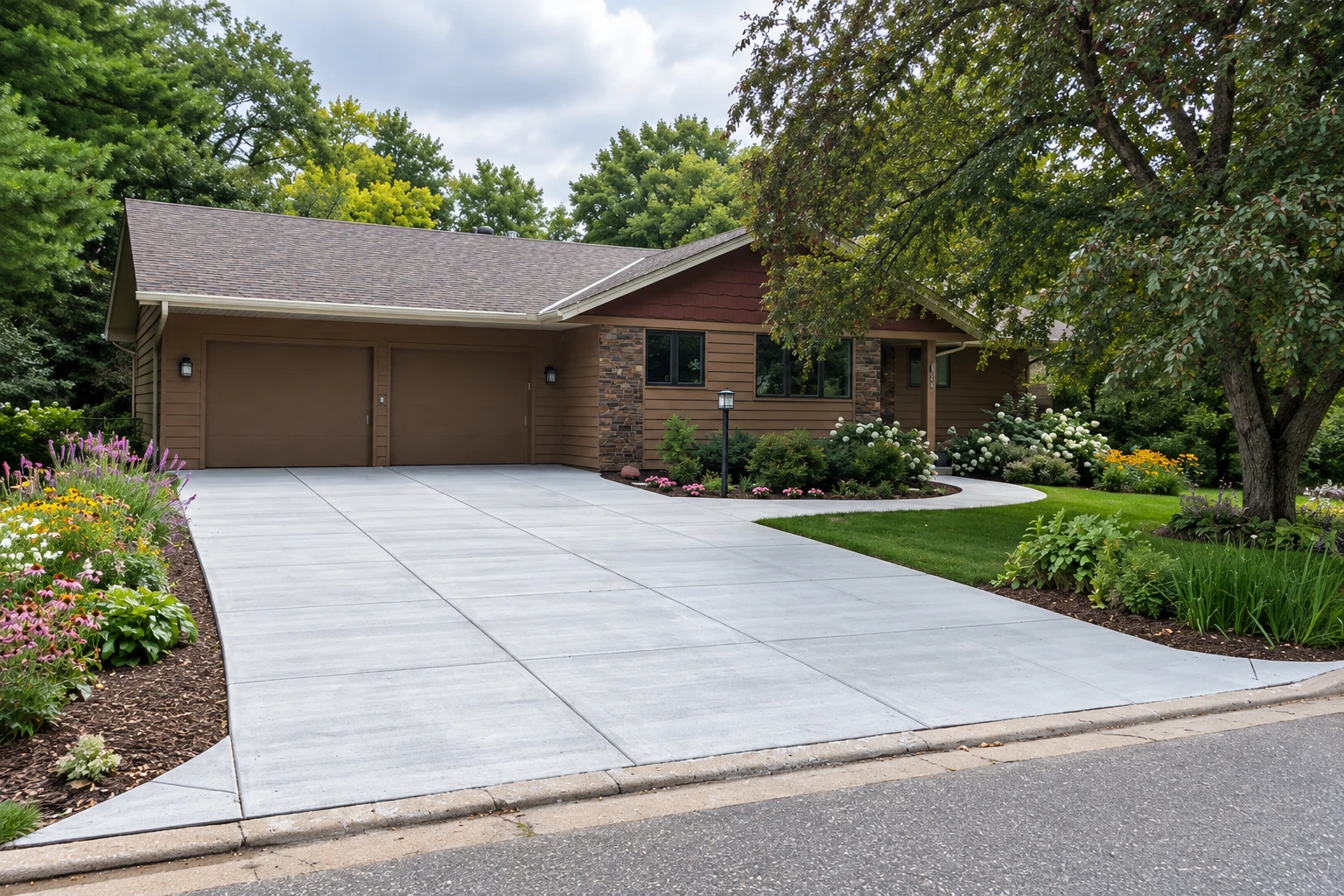
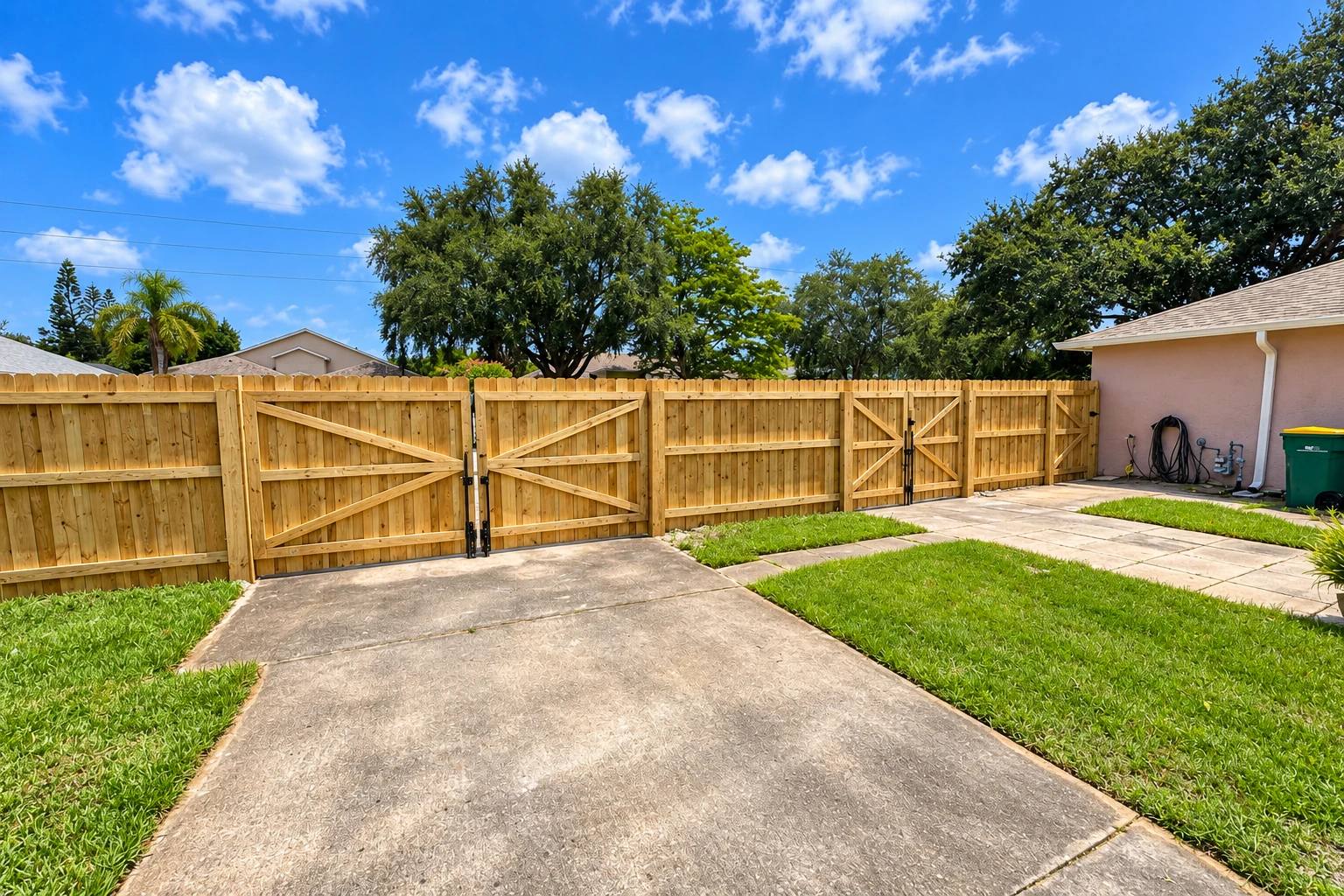
On uphill driveways in San Marcos, we dig out and pack the base, then set the grade so rain runs to the street, not your garage.
A backyard set into a slope needs a patio that sheds water away from the house, so we plan which way it tilts before we form an edge.
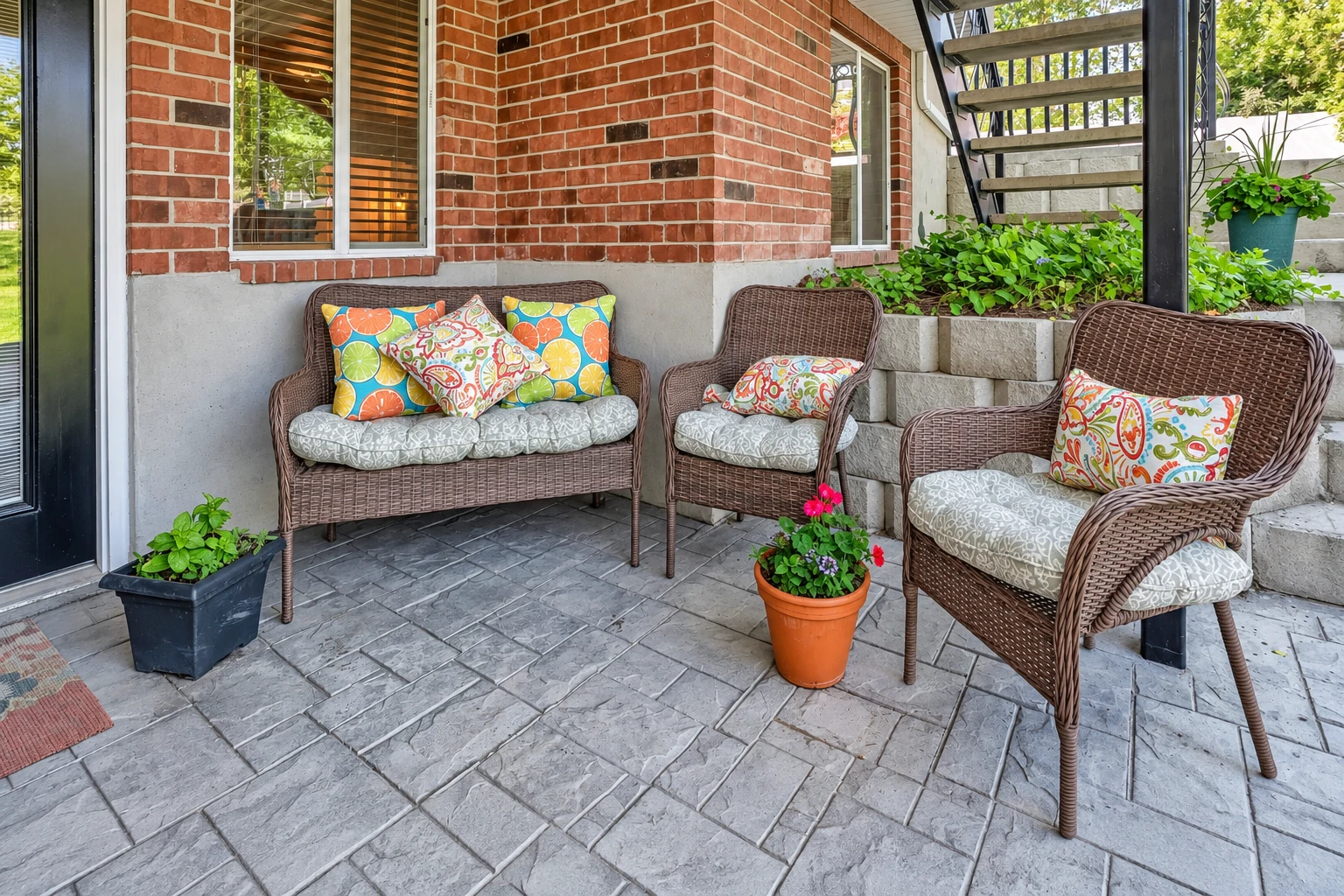
Stamped concrete gives a San Marcos patio or entry the look of stone or pavers in one solid slab, with no loose pieces to shift.
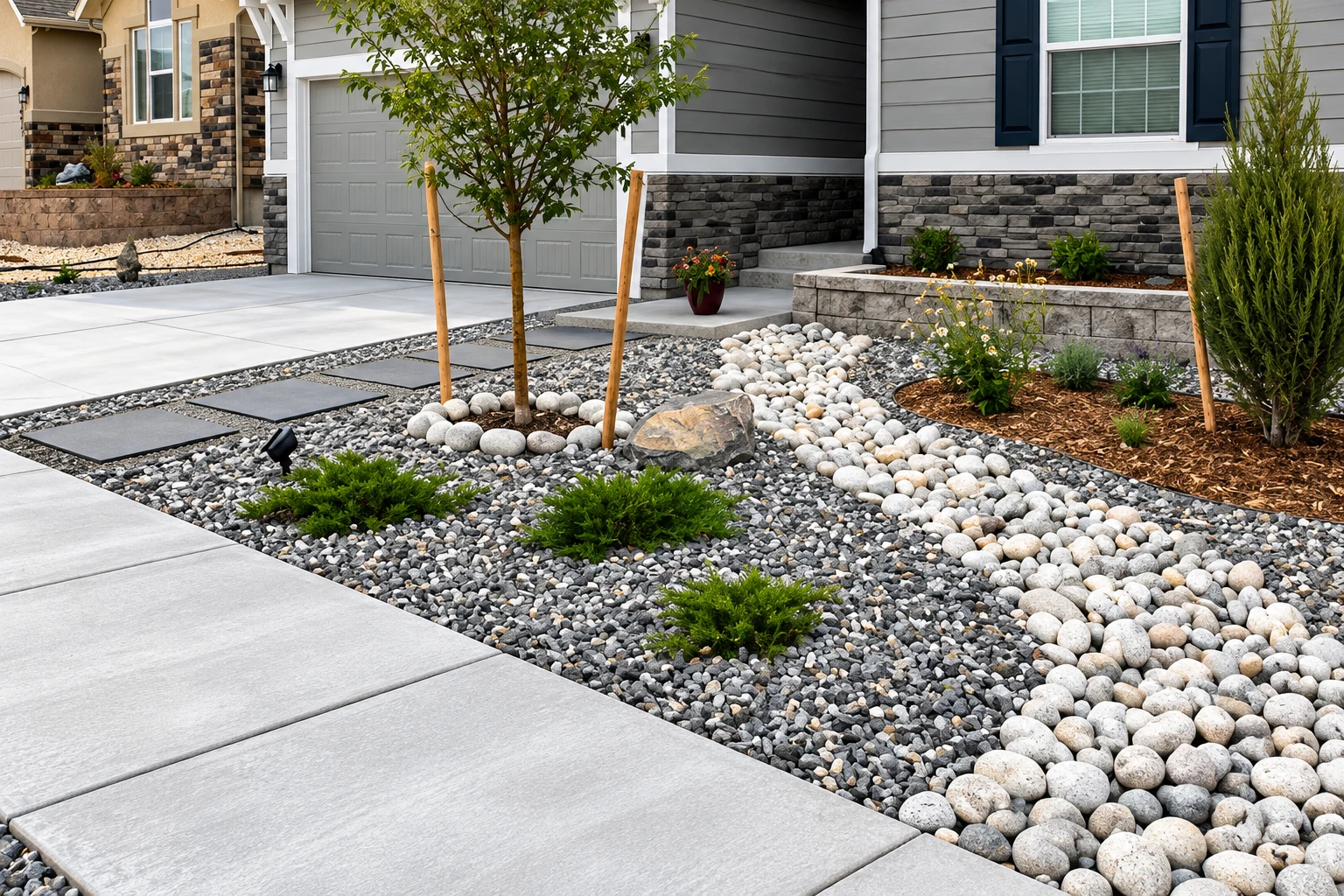
Side yards here are often narrow, so a new walk along the house has to drain away from the wall and still clear the gate.
When a garage slab has sunk, cracked or started dusting, we break it out, rebuild the base and pour a floor that stands up to cars and storage.
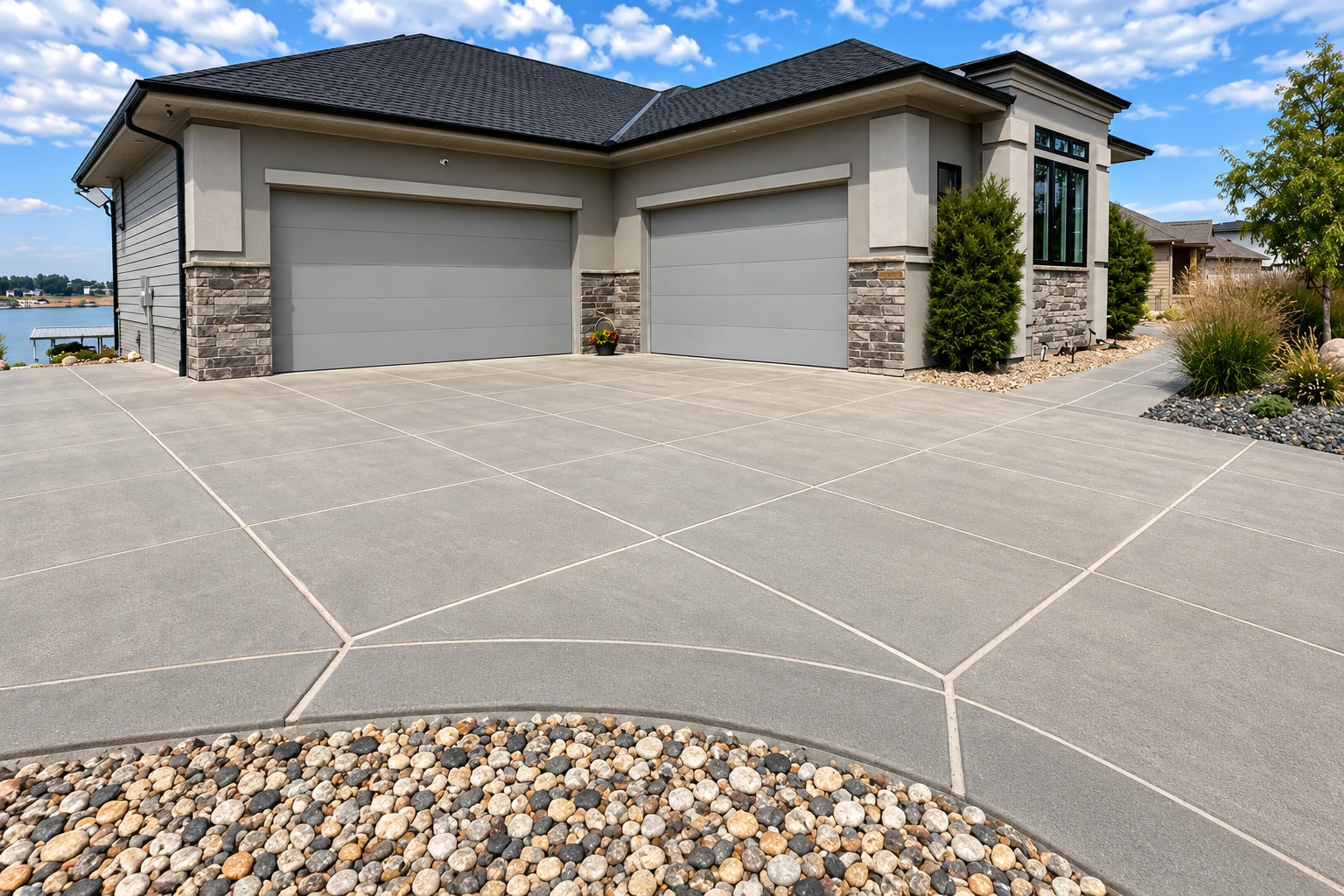
Color, exposed stone and saw-cut patterns let a front walk or courtyard match the house, and it's still plain concrete underneath, built on the same packed base.
On hillside lots, a retaining wall holds back the slope so you get usable yard, and we build in drainage behind it so water doesn't push it over.
For a shop, studio or business space here, we pour an interior floor that's flat and level enough for shelving, equipment and the finish going on top.
Around a backyard pool, we use a textured finish that grips when wet and slope the deck so splash water runs to the drains, not the house.
Homes set above the street often need steps to the door, and we form each rise the same height so nobody catches a toe on an odd one.
For an addition, a garage or an outbuilding, we pour the slab it sits on, with rebar, the steel that keeps cracks from spreading, where the plans show.
On a sloped lot, a new room or structure needs a foundation dug and formed to the plans, and we build it so the framing starts level.
For small business lots and shared drives, we pour concrete that carries daily traffic, drains to the right spot and gets built once instead of patched every year.
Footings are the buried concrete under a wall, a post or a patio cover, and on sloped ground we dig them deep enough to reach firm ground.
When a slab or a corner of the house has dropped, we look at why it moved, then raise it back toward level and deal with the cause.
We saw-cut openings, trenches and edges in existing slabs, so you can run a new line, fix one bad section or tie new concrete in without breaking everything.
Get a free written estimate for your San Marcos concrete job
We reply within one business day and set a time for me to come out, look at the site with you and measure. Then you get a free written estimate, done on site, with no obligation.
(951) 466-2622- Based in
- Temecula, CA 92592
- Hours
- Mon–Sun: 6 AM–11 PM
What working in San Marcos means for your job
In San Marcos, building permits come from the City of San Marcos Building Division, and the city says work that adds to or changes a home's structure, plumbing, electrical or mechanical systems likely needs one. Starting without a permit can bring fines, stopped work and extra fees, so I settle the permit question before anyone digs, and when the city wants plans reviewed, that wait goes at the front of your schedule. Before you hire anyone, check two things, a state contractor license and a San Marcos business license, and the questions below say when each one applies.
When a job needs a permit, we pull it, set up the inspections and tell you what falls on you as the owner. If the work reaches grading, the strip along the street or storm water, the city handles those through separate engineering permits, and we sort that out too. We come down from our base in Temecula, so planning a pour day here means the truck arrives on time and can reach the forms. What moves the price is mostly size, how much old concrete comes out, the base the ground needs and the finish, and the schedule turns on permit review, the weather and the cure. Your written estimate puts numbers to all of it.
Slopes, runoff and the ground beside your house
A sloped lot sends water downhill into whatever is in the way, and a slab that tilts toward the house hands that water straight to your foundation. So before we form anything, I check where the water runs, and our crew digs out and packs the subgrade, the soil and gravel the slab sits on, because a base that's only raked level settles and takes the concrete down with it. See why I start underneath?
The city describes the first five feet around a home as Zone 0, the spot where homes are most likely to catch fire. Concrete doesn't burn, so if you're redoing a walk or patio along the house anyway, it's worth talking about what sits in that strip.
What to expect when you hire a concrete contractor in San Marcos
Here's how a San Marcos job goes from your first call to the last walk-through, and what you'll need to do along the way.
Call or send the form
Tell us what you want built or fixed, and we'll set a time for me to come out. It helps if you can be home, so we can walk it together.
Walk the site with me
I measure, look at where the water goes and show you on the ground how I'd build it, so you see what you'd be paying for before any number appears. Then you get my written estimate to think over.
Clear the permit and review
When the job needs a permit, we handle it and the inspections, and if the city requires plan review, that typically takes about 15 business days. We set the pour date around it, so you're not left waiting with the old slab already torn out.
Pour, cure and walk through
Our crew forms, pours and finishes the concrete, and then it needs time to cure before you use it. When it's done, I go over the finished job with you and tell you when it's ready for feet and for cars.
Questions about concrete work in San Marcos
Do I need a building permit for concrete work in San Marcos?
You may, because the city says work that adds to or changes a home's structure, plumbing, electrical or mechanical systems likely needs a building permit from its Building Division. The city's guide for small businesses points to an Exempt Work list for projects that may qualify without one, and I check your job against the city's rules before we dig. If you'd like to ask the city yourself, the Building Division's number is 760-744-1050, ext. 3244.
Does a concrete contractor in California need a state license?
Yes for nearly any real concrete job, because the California Contractors State License Board requires a license when a project needs a building permit, uses any extra workers, or costs $1,000 or more in labor and materials across one or more contracts. Splitting a bigger job into smaller bills doesn't get under that line, since the board counts all the costs of the project. We're licensed and fully insured, and it's fair to ask any contractor you're weighing about their license before they start.
Does an out-of-town contractor need a San Marcos business license?
Yes, the city requires every business working inside city limits to hold a valid San Marcos business license, and that includes contractors based in other cities who come in to work, even for a short job. Crews driving in from Temecula or anywhere else fall under the same rule, so it's a fair question to ask whoever you hire.
What affects the cost of a concrete driveway in San Marcos?
The biggest cost drivers are the slab's size and thickness, tearing out and hauling the old concrete, the base work, how easily the truck can reach the spot and the finish you pick. Stamping or color adds to it, and a backyard the truck can't get to may need a pump. If the budget's tight, I'd rather you choose a broom finish, a lightly brushed texture that grips underfoot, than cut the base, because the base is the part you can't fix later without tearing the slab out.
What causes new concrete to crack, and how do you prevent it?
Most cracking comes from concrete shrinking as it dries and from a base that settles, so we pack the base and cut control joints, shallow grooves that give the slab a straight place to crack instead of a random one. Joints cut late or skipped are why so many older slabs have cracks wandering across them. Nobody can promise concrete won't crack at all, but built this way a crack usually stays in the joint where you won't notice it.
How long does new concrete take to cure before I can drive on it?
You can usually walk on a new driveway within a few days, but cars have to wait longer, and I'll give you the dates for your job when we pour. Curing is the hardening concrete keeps doing after it looks dry, and keeping traffic off during that stretch is what makes the surface strong instead of chalky. We also schedule pours to avoid midday heat, because a top that dries too fast turns weak and dusty.
Temecula, CA
Tell us about your San Marcos project
Describe the job when you call (951) 466-2622 or send the form, and ask about the permit steps, so I come out already knowing what to look at.